Category: Wildlife Conservation
-
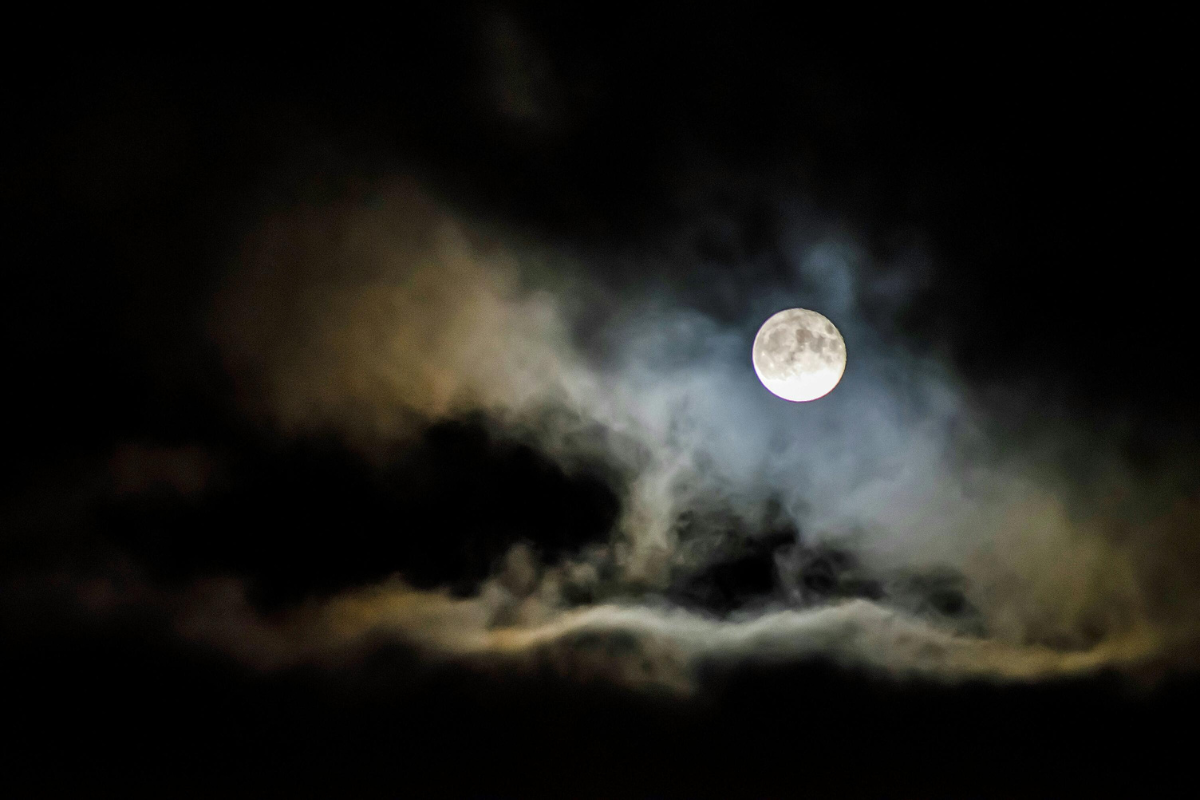
Dark Skies in The Bourne Valley
For billions of years, all life has relied on Earth’s predictable rhythm of day and night. This rhythm is encoded in the DNA of all plants and animals, including us. Humans have radically disrupted this cycle by lighting up the night sky. Plants and animals depend on Earth’s daily cycle of light and dark to…
-
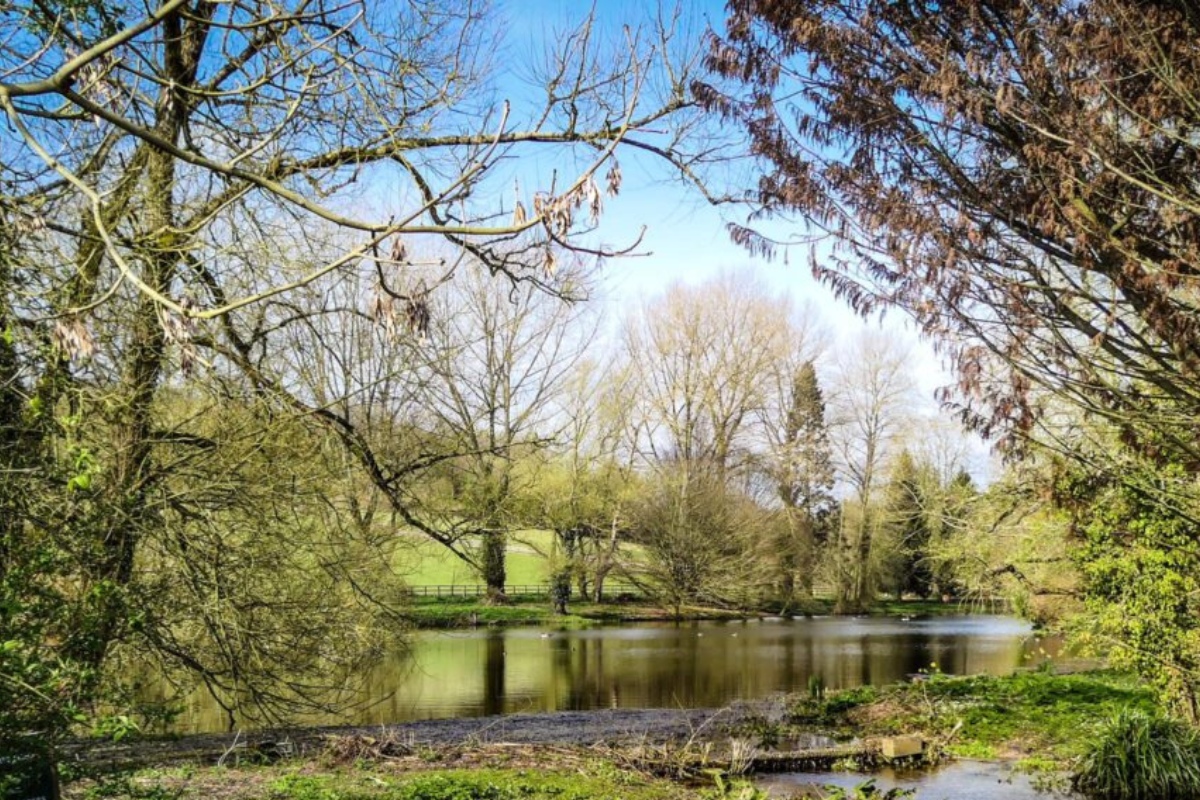
The Lake & Bourne Rivulet Survey 2021 – Butterfly, Dragonfly & Damselfly Report
Between April and October 2021, a survey was conducted at the Lake in St Mary Bourne (the “Lake”) and the adjoining Bourne Rivulet. The objective was to establish a baseline for butterfly, dragonfly, and damselfly populations. While ideally conducted in 2020 before habitat management changes, the one-year difference is not expected to impact the findings…
-
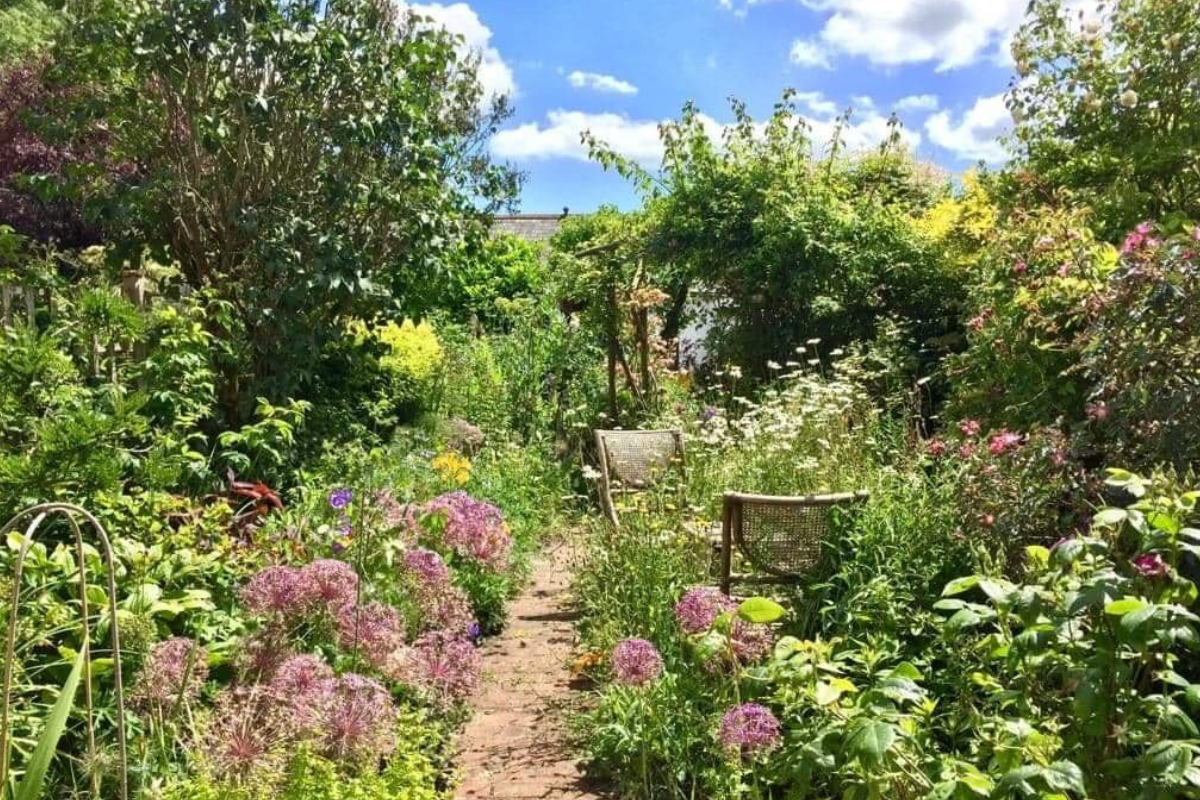
Create an eco-friendly wildlife garden!
Our wildlife is under serious threat due to loss of habitat, pesticides and intensive farming practices. Worldwide, the number of wild animals has halved in the last 40 years, and it’s estimated that between 200 and 10,000 species become extinct every year. Ten million farmland birds disappeared from the British countryside between 1979 and the…
-
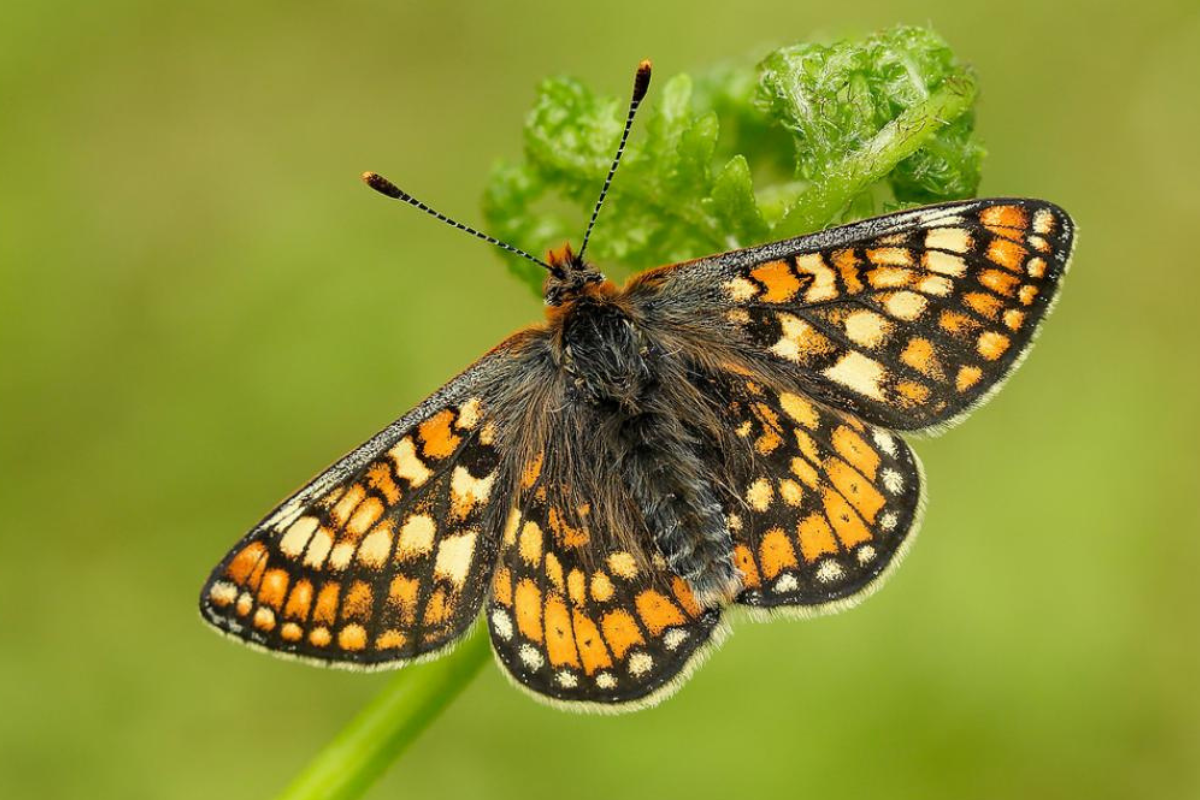
Black Garden Field Butterfly Survey 2020
Black Garden Field is situated on Egbury Road, St Mary Bourne. It is the long field on the right-hand side as you come out of the village towards Whitchurch. A survey in 2020 of Black Garden Field (the “Field”), recorded four rare butterfly species: Small Blue, Marsh Fritillary, Grizzled Skipper, and Small Heath. Notably, a…